

Vietnam has become one of the most important global sourcing origins for seafood importers. According to industry profiles published by the Vietnam Association of Seafood Exporters and Producers (VASEP), Vietnamese seafood, including pangasius, basa fish, shrimp and pelagic species, is now exported to more than 170 markets worldwide, supported by large-scale aquaculture and processing capacity.
In 2025, rising compliance requirements, tighter margins and closer scrutiny from buyers and regulators have made seafood sourcing more complex than ever. From frozen pangasius fillet and frozen pangasius steak to frozen raw white vannamei shrimp, the true cost of sourcing is increasingly determined by control systems rather than purchase price. Based on real sourcing experience and current market data, VanPhat Imex helps buyers understand where these risks come from and how experienced buyers structure their sourcing to avoid them in the detailed analysis below.
Key takeaways
- In 2025-2026, the real cost of sourcing is defined by control systems (specs, QC, documents, cold chain), not the quote.
- Most first-time failures come from documentation mismatches, labeling issues, and clearance delays, not factory capability.
- Tighten your sourcing process around measurable gates: specs → pre-production → inspection → loading → arrival checks.
- Build supplier accountability into payment milestones and claims rules so risk is shared, not dumped on the importer.
- Treat market compliance as a lane-by-lane design problem (species, additives, glazing, labeling, certificates).
Seafood Sourcing in Vietnam: What SME Buyers Miss Behind Attractive Prices
Vietnam has become one of the most important global sourcing origins for seafood importers. Industry data published by the Vietnam Association of Seafood Exporters and Producers (VASEP) shows that pangasius, basa fish, vannamei shrimp, black tiger shrimp, tuna species, mackerel, moonfish and tilapia are currently exported to more than 170 global markets. The same trade data released by VASEP in early 2025 indicates that Vietnamese seafood exports to the United States reached approximately USD 500 million within the first four months of the year. For many buyers, particularly small and medium-sized seafood importers, Vietnam therefore appears to offer an attractive balance between volume availability and price competitiveness.
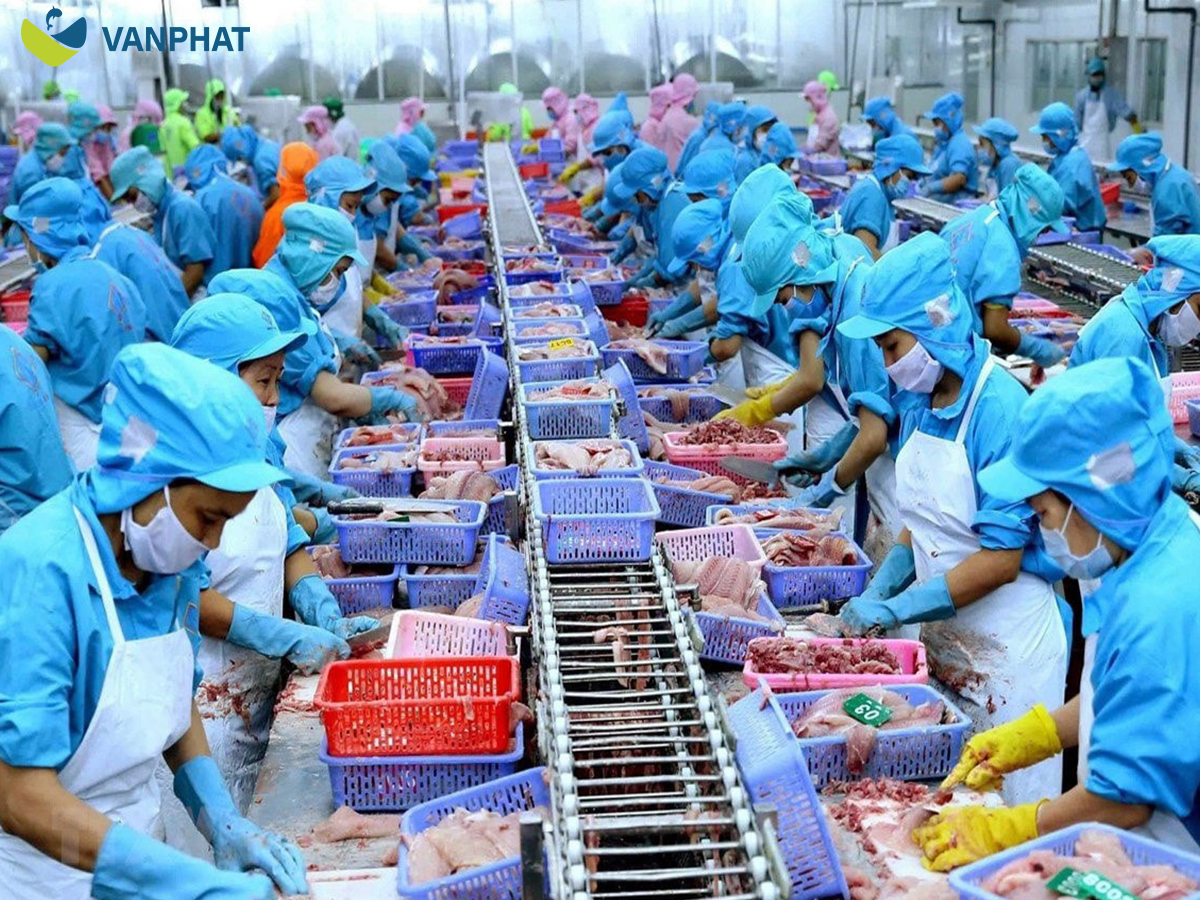
However, behind this growth lies a supply chain shaped by fragmented farming structures, widespread subcontracting and uneven enforcement of quality controls. International guidance under the FAO and WHO Codex Alimentarius for fish and fishery products highlights that in such supply chains, sourcing failures more commonly arise from weak systems, insufficient oversight and limited on-the-ground control rather than from aggressive pricing strategies.
Seafood Sourcing Price Traps That Catch First-Time Importers
Many first-time buyers assume low quotations reflect operational efficiency. A clean factory, fluent English communication and complete documentation often create a false sense of security.
Common early mistakes include:
- Prioritizing price per kilogram over production control
- Trusting paperwork without independent verification
- Paying large deposits before confirming processing capability
- Underestimating legal and contractual limitations
In several sourcing disputes documented in 2024 and 2025, US and EU seafood importers reported that suppliers stopped responding after deposits were transferred. In most cases, the issue was not fraud, but weak systems and poor accountability.
When Quality Slips Between Sample and Shipment
Quality disputes remain the most common sourcing problem.

Inspection agencies operating in Vietnam consistently report defects such as:
- Foreign matter including plastic, metal or wood
- Black spot and surface discoloration on shrimp
- Soft or mushy texture caused by temperature abuse
- Freezer burn and dehydration
- Excessive or uneven glazing
- Broken fillets and damaged packaging
Grade substitution is another recurring issue. Buyers approve premium basa fillet or frozen pangasius fillet samples, yet receive mixed sizes or inconsistent trimming in the final container.
In early 2025, inspection partners recorded multiple cases involving frozen raw white vannamei shrimp that passed sample approval but failed destination checks. In one documented shipment, texture breakdown caused rejection of a full container, resulting in direct losses exceeding 120,000 USD, excluding downstream customer claims.
Clear specifications and independent inspections remain the most effective safeguards.
Basa Fish and Basa Fillet: Why These Products Are High-Risk Without Proper Control
Among Vietnam’s seafood exports, basa fish and basa fillet require particularly strict handling, as reflected in industry production and export profiles published by the Vietnam Association of Seafood Exporters and Producers.
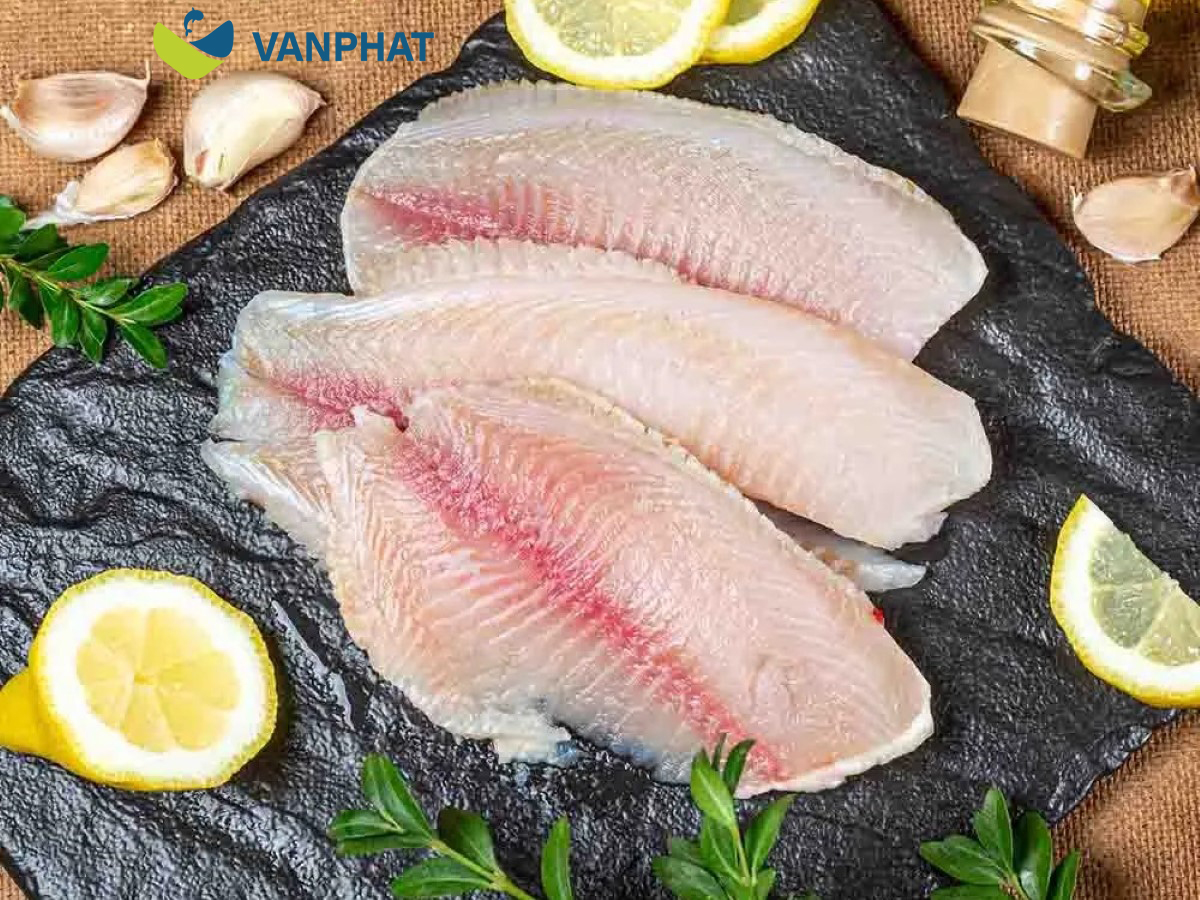
Key risk factors include:
- High moisture content affecting yield and texture
- Sensitivity to freezing speed and glaze control
- Inconsistent trimming impacting appearance and cooking performance
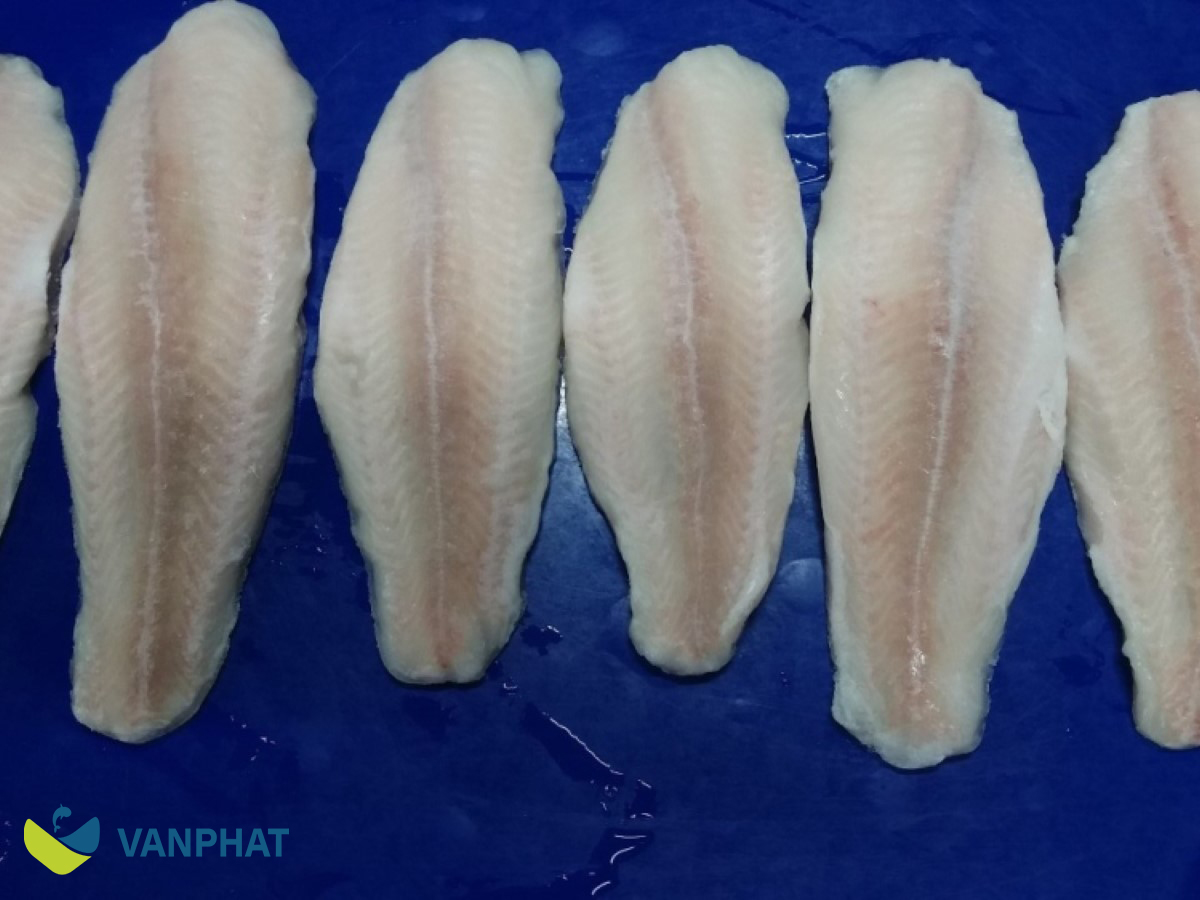
Market observations from 2025 indicate that pangasius fillet price volatility is driven less by farm-gate costs and more by processing yield management. Buyers focusing only on price often overlook net yield loss of 8 to 12 percent caused by over-glazing or poor trimming.
This directly impacts:
- Frozen pangasius fillet quality
- Frozen pangasius steak consistency
- Pangasius fillet nutrition and consumer acceptance
Without proper systems, even competitively priced basa fillet can become an expensive problem.
Who Is Actually Processing Your Seafood in Vietnam?
Unauthorized subcontracting remains one of the least visible risks for overseas buyers. Both Codex guidance and BRCGS audit frameworks explicitly warn that seafood processors may shift production to secondary facilities that are not covered by the original audit scope, particularly during peak seasons or raw material shortages.
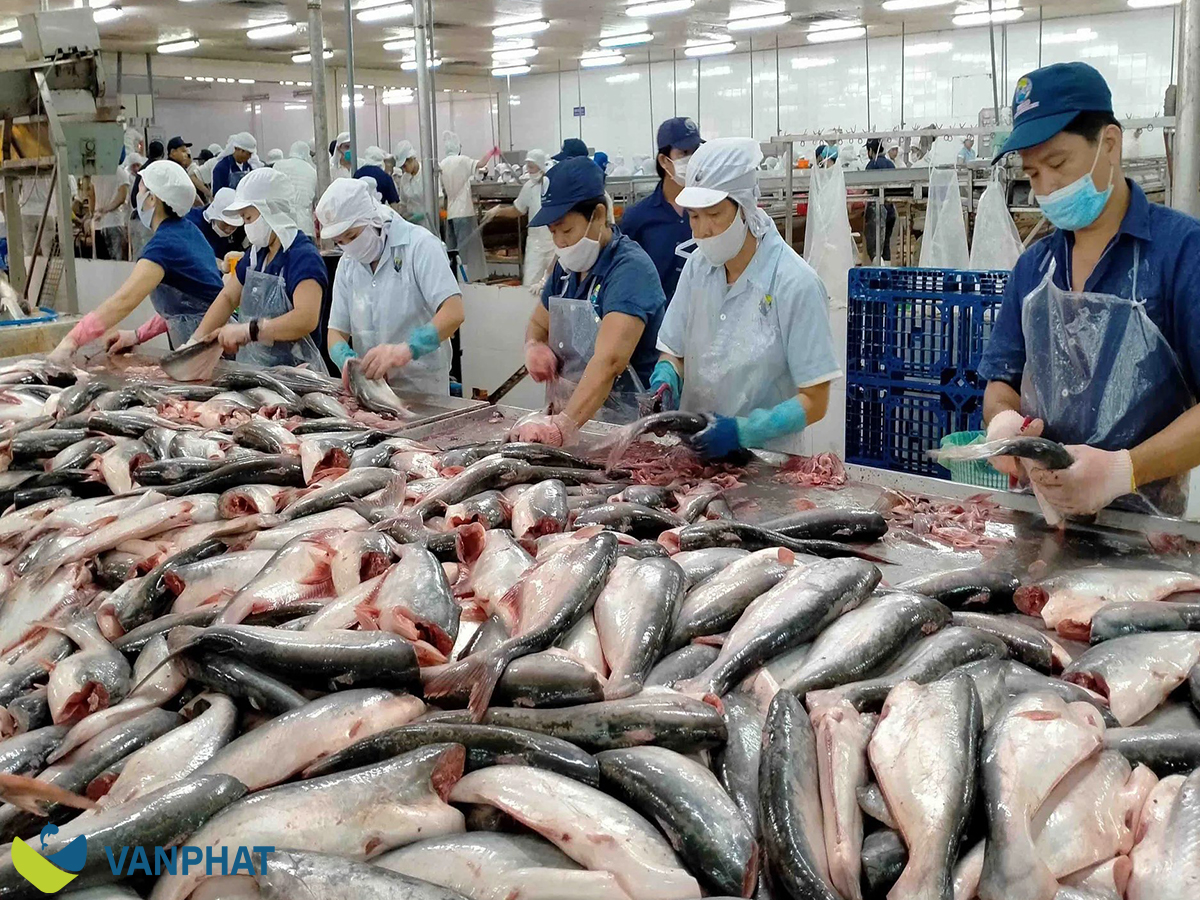
Common warning signs include:
- Missing or inconsistent lot codes, which Codex guidance on fish and fishery products identifies as a key indicator of weak traceability control in fragmented seafood supply chains
- Inability to clearly identify the exact processing line used for production, a gap that Codex frameworks associate with elevated risk of unauthorized subcontracting
- Refusal to allow live video or real-time inspection during production, often signaling limited transparency over actual processing conditions
To manage this risk, experienced buyers typically:
- Demand full traceability from farm or vessel through to the packing line, in line with Codex recommendations on lot identification and product tracking
- Require lot codes that link raw material origin, production date and processing facility, consistent with internationally recognized traceability principles under Codex
- Conduct on-site or remote audits during live production, as emphasized by BRCGS audit frameworks for effective control of subcontracting and hygiene risks
These controls apply equally across basa fish, tuna species, mackerel, moonfish and tilapia products.
Seafood Sourcing Certifications Do Not Guarantee Compliance
Paper-based compliance remains a structural weak point in the seafood supply chain. Industry observations and trade context summarized by the Vietnam Association of Seafood Exporters and Producers indicate that some exporters continue to rely on expired, incomplete or recycled certifications to secure contracts, while enforcement standards vary significantly by region. As a result, the burden of verification ultimately rests with the buyer.

For major markets, buyers should verify:
- FDA registration status and the presence of active, implemented HACCP plans for US-bound shipments, as required under FDA seafood HACCP requirements and 21 CFR Part 123
- Valid health certificates and legally compliant catch documentation for EU imports, in line with the EU IUU Regulation and CATCH system and reinforced documentation requirements
- Recent third-party audit reports from recognized food safety schemes such as BRCGS, with particular attention to audit scope and validity
Verification is essential when marketing responsibly sourced seafood or supplying major retail and foodservice accounts.

Financial Risk Does Not End With the Invoice
Price-related risk extends far beyond the quoted number.
In 2025, Vietnamese shrimp exports to the United States continue to face significant trade exposure, with industry data and trade analysis published by the Vietnam Association of Seafood Exporters and Producers highlighting risks such as:
- Anti-dumping and countervailing duties reaching up to 75 percent
- Rerouted shipments through third countries
Additional financial risks include:
- Currency fluctuations between order confirmation and payment
- Limited protection under locally governed contracts
Best practices include:
- Letters of credit or escrow arrangements
- Payment schedules linked to inspection milestones
- Clear penalty clauses for quality and delivery failures
These measures are critical for frozen seafood wholesalers and frozen seafood distributors managing thin margins.
Cold Chain Breakdowns That Destroy Profitable Orders
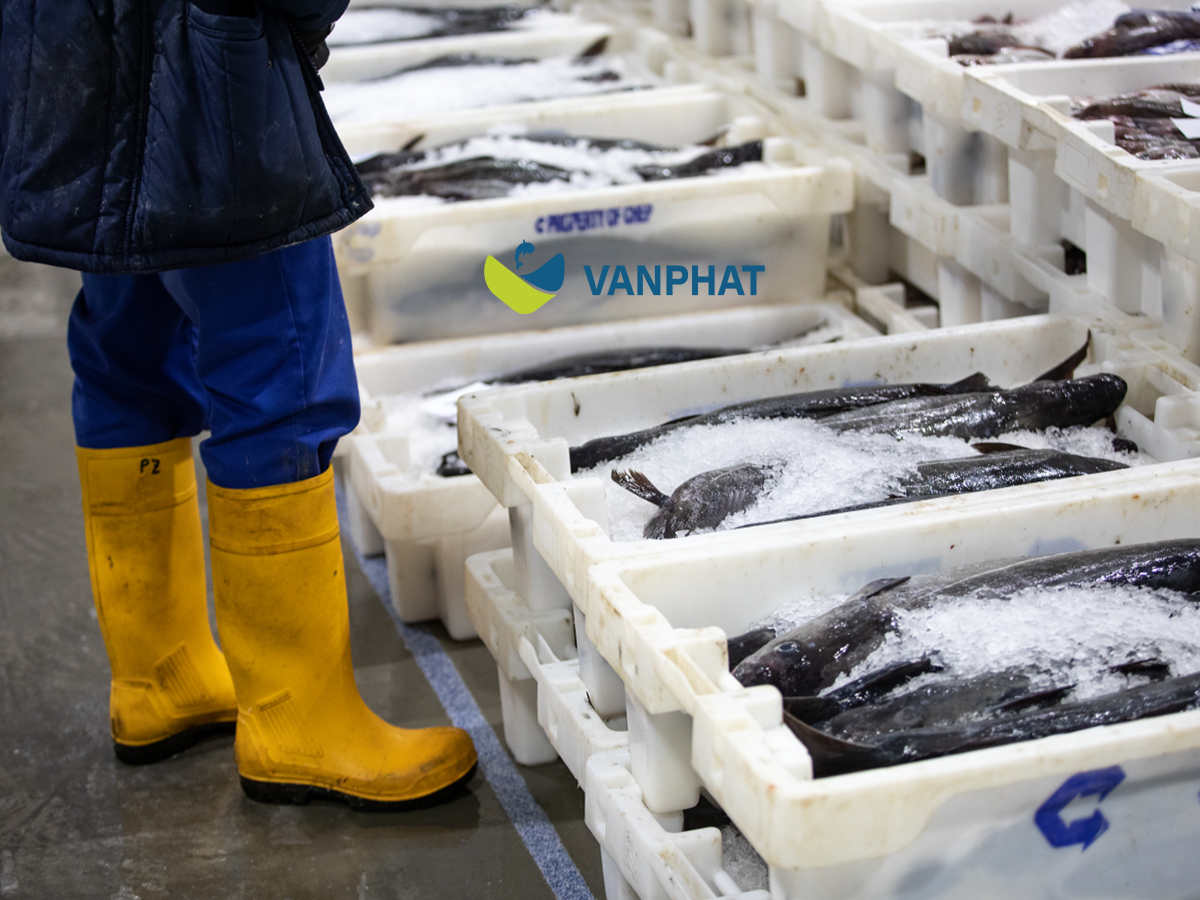
Frozen seafood relies entirely on temperature control.
Typical transit times include:
- 20 to 25 days to the US West Coast
- Over 35 days to the US East Coast during peak periods
Common cold chain failures involve:
- Inadequate pre-cooling of reefer containers
- Power interruptions during port congestion
- Delays around Lunar New Year and year-end surges
Buyers should insist on:
- Fully frozen product before container loading
- Pre-cooled reefer containers
- Temperature data loggers throughout transit
This is especially critical for frozen pangasius steak and frozen raw white vannamei shrimp.
Vague Communication Signals Operational Risk
Professional exporters communicate with precision. Industry practices and trade guidance summarized by the Vietnam Association of Seafood Exporters and Producers emphasize that every seafood order should clearly define:
- Species and scientific name such as pangasius hypophthalmus fish
- Size range and net weight after glaze
- Glazing percentage and packing format
- Labeling and carton marking requirements
Delayed replies or vague commitments often indicate supply instability.
Why the Second Order Often Fails
Many seafood importers report that the first shipment meets expectations, while follow-up orders deteriorate.
Common causes include:
- Reduced oversight once trust is established
- Substitution of raw material to meet volume
- Outsourcing to unapproved facilities
To avoid this pattern:
- Maintain inspections on every shipment
- Apply original specifications consistently
- Enforce quality consistency clauses in contracts
Sustainability Is Now a Commercial Risk
Ethical sourcing directly affects market access.
Buyers face growing scrutiny over:
- Labor practices in processing plants
- Environmental impact of aquaculture
- Resource sustainability
Evaluating farm practices, feed sourcing and labor policies supports long-term stability and protects brand credibility.
A Practical Risk Control Checklist for SME Buyers
Before scaling volume, ensure the following systems are in place:
- Verified factory audits and end-to-end traceability, consistent with Codex guidance on fish and fishery products and reinforced by BRCGS audit expectations
- Independent inspections conducted at key production stages rather than limited to final loading checks
- Clearly defined cold chain management and logistics planning to protect product integrity throughout transit
- Payment terms structured around inspection outcomes and quality milestones to align commercial risk
- Continuous performance monitoring that extends beyond trial orders and initial shipments
Final Thoughts: Experience and Systems Decide the Real Cost
After years working directly with seafood importers across the US, EU and Asia, VanPhat Imex has observed one consistent pattern. Most sourcing failures do not originate from price competition. Instead, they arise when sourcing decisions are not supported by adequate systems, sufficient operational experience and continuous control throughout the supply chain.
Across product categories ranging from basa fish and basa fillet to frozen pangasius fillet, frozen pangasius steak, black tiger shrimp, moonfish and tilapia, the underlying risks remain fundamentally the same. International food safety and audit frameworks, including Codex guidance and BRCGS standards, consistently demonstrate that without proper audits, independent inspections and effective traceability, even well-regarded seafood suppliers can deliver inconsistent outcomes.
For seafood importers, frozen seafood wholesalers and frozen seafood distributors, long-term success depends on discipline rather than negotiation. Building structured sourcing systems and selecting partners committed to responsible seafood sourcing ultimately costs significantly less than repeatedly pursuing the lowest quoted price.
Vietnam continues to represent a powerful sourcing origin for global seafood buyers. Industry trade profiles published by the Vietnam Association of Seafood Exporters and Producers show that for SME importers, sustainable success increasingly depends not on negotiating the lowest price, but on establishing disciplined sourcing systems, working with verified partners and operating repeatable, well-controlled import processes.
Only buyers who successfully combine market experience with robust control systems will be positioned to unlock Vietnam’s full sourcing potential safely and profitably beyond 2025.


