

Choosing the right Vietnam seafood sourcing model has become a strategic priority as the global seafood market reached an estimated value of USD 370.23 billion in 2024, with Asia-Pacific accounting for more than 44.6% of global consumption, reflecting the region’s central role in seafood sourcing according to IMARC Group seafood market analysis. In the same year, Vietnam recorded total fishery production of approximately 9.5 million metric tonnes, while seafood export turnover reached about USD 10 billion, based on data reported by the Vietnam Association of Seafood Exporters and Producers (VASEP).
This growth trajectory continued into 2025. Export momentum continued into 2025. According to updates from VASEP, Vietnam’s seafood exports reached USD 6.22 billion in the first seven months of the year, representing a 17.2% year-on-year increase. During the same period, pangasius exports exceeded USD 1.2 billion, with frozen fillets accounting for approximately USD 976 million of that total.
For small and medium sized seafood importers, the key challenge is no longer limited to product selection, but lies in structuring a Vietnam seafood sourcing model that delivers stable pricing, consistent quality and long term supply reliability.
Why the Sourcing Model Matters More Than Ever
The seafood industry has largely recovered from pandemic disruptions, but the operating environment has changed. Buyers now face tighter import requirements, higher expectations on traceability and lower tolerance for supply interruptions. Small issues like inconsistent glazing, labeling errors, HS code mistakes, document delays or cold chain deviations can disrupt entire distribution plans.
If you sell into regulated markets, compliance updates in 2025 are no longer optional. They directly affect documentation flow, clearance timing and downstream risk.
A practical example illustrates how compliance timelines now shape sourcing decisions. In the United States, the FDA’s Food Traceability Rule under FSMA Section 204 originally set a compliance deadline of January 20, 2026; however, the FDA has proposed a 30-month extension to July 20, 2028, and U.S. legislation has directed the agency not to enforce the rule before that date. In parallel, the European Union is moving in the opposite direction: EU importers must submit catch certificates through the EU CATCH IT system for fishery products imported into the EU starting January 9, 2026, following amendments to the EU control and IUU enforcement framework.
The Three Main Vietnam Seafood Sourcing Models for SMEs
At a strategic level, SME seafood buyers typically procure through one of three models. Each Vietnam seafood sourcing model works best when it matches your order pattern and internal capacity.
Direct factory sourcing (the classic seafood supplier route)
Buying directly from a processing factory that produces your items. For example pangasius, pangasius fillet, vannamei shrimp, black tiger shrimp or tuna loin with specs and production terms agreed at plant level.
Trading company sourcing (working with a seafood trading company)
Buying via an exporter who consolidates products from multiple processors and manages export execution, documentation and shipping.
Buyer-side representation (sourcing partner / sourcing agent in Vietnam)
Engaging a third party to represent your buying interests locally: supplier screening, RFQ and negotiation, quality control, pre-shipment inspection and shipment coordination without taking ownership of goods.
Before You Choose: 6 Questions That Usually Decide the Best Model
- Are you shipping FCL regularly or do you need an LCL shipment / mixed loads?
- How tight are your specifications (trim, glazing percentage, net weight tolerance, portioning, retail packs)?
- Do you need multi-species sourcing from pangasius and shrimp to secondary items like tilapia fish, tuna loin and mackerel in the same buying cycle?
- Who owns quality control – your team, the seller or an independent inspector?
- What is your customer type: frozen seafood distributors, frozen seafood wholesalers or a wholesale restaurant seafood program?
- How do you handle claims: can you solve issues before shipment or only after arrival?
Direct Factory Sourcing
Control and customization at scale
Factories are often the ideal channel when you have repeat orders and stable volume. You can lock down exact specs: trim style, portion size, glazing percent, packaging format and labeling requirements.
Where direct procurement wins
- Better control over specification sheets and production tolerances, particularly for fillet trimming standards and shrimp size consistency.
- Lower unit costs once order volumes reach levels that support efficient production planning and full container shipments.
- Clearer visibility into factory-level food safety systems and certification standards such as HACCP, BRC, ASC or MSC, depending on the product category.
Constraints for small and medium buyers
- High MOQs and production-run realities: factories prefer FCL and repeat SKUs.
- Heavier workload on the buyer for coordination, compliance documents and production scheduling.
- Higher risk if you do not run independent QC: glazing disputes, net weight variance or label errors may appear only after arrival.
Mini case: pangasius fillet claim that could have been prevented
A common SME scenario: an importer secures a good price on pangasius fillet, but downstream customers reject cartons due to net weight variance and glazing complaints. This is rarely solved with emails after landing. It is solved with a written specification, random carton sampling and a pre-shipment inspection that records glazing and net weight before the container is sealed.
Trading Companies
Flexibility and convenience for mixed loads
Trading companies matter when your buying pattern is mixed and fast-moving. A capable trader can consolidate multiple suppliers into a single export flow, which is especially useful for LCL shipment or test orders.
When traders add value
- Ability to source multiple species and formats in consolidated shipments (for example vannamei shrimp, tilapia fish and mackerel).
- Management of export documentation, customs coordination, and booking/forwarding steps.
- Access to factory networks and market intelligence that SMEs may not have in-house.
Key limitations to watch
- Reduced transparency on processing origin if sourcing changes between factories.
- Inconsistent QC if inspection is not standardized across suppliers.
- Conflicts of interest if the trader controls information flow and you do not have independent checks.
Mini case: building a mixed portfolio for wholesale seafood for restaurants
If you are a seafood wholesale supplier or wholesale seafood supplier serving a wholesale seafood for restaurants channel, the product list often changes quickly: shrimp promotions, new fish items, seasonal demand spikes. In these cases, a trader can help you move faster – but only if you still insist on consistent specs, label checks and QC evidence before shipment.
Sourcing Partners
Buyer-aligned supply chain management
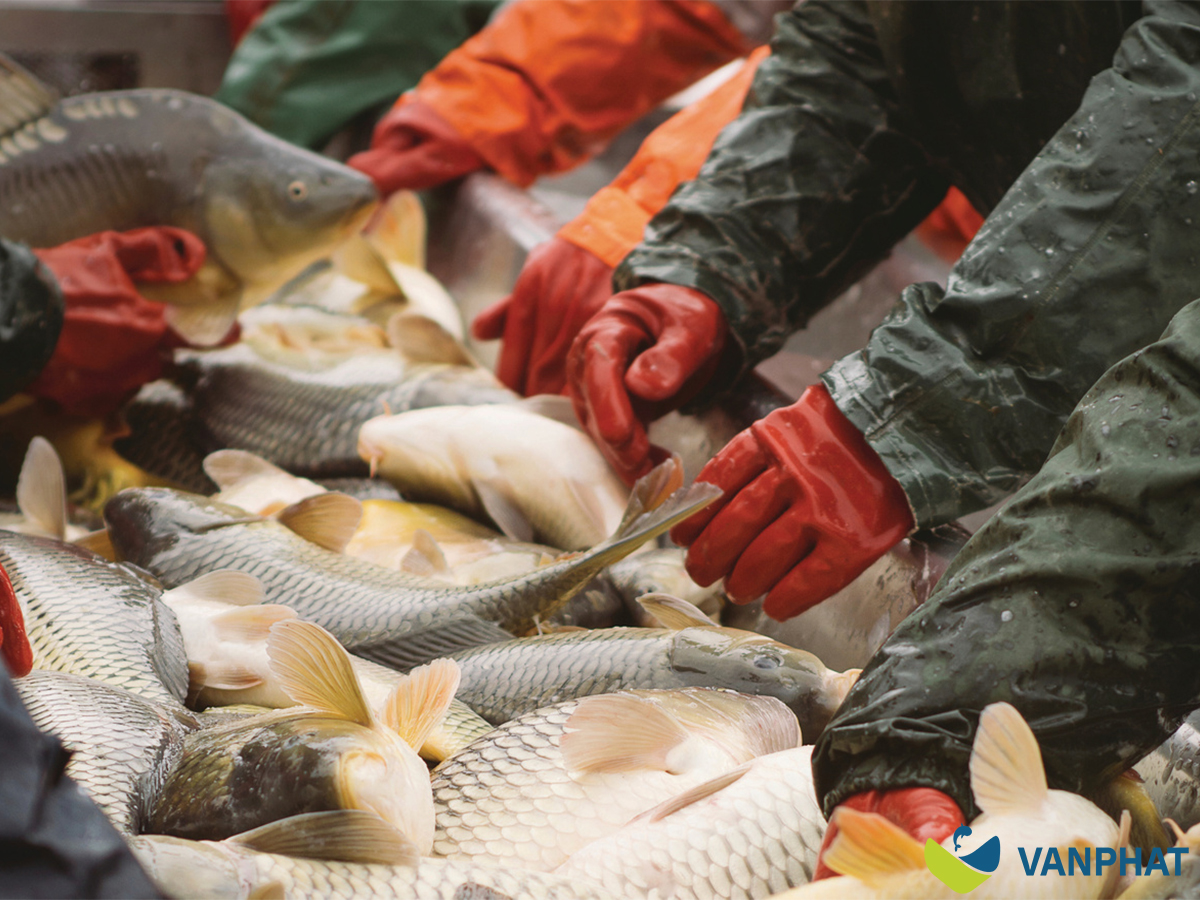
A sourcing partner works differently from a trader. Instead of earning from resale margins, they act as your buyer-side team on the ground. A Vietnam sourcing agent can screen factories, run RFQs, negotiate terms, coordinate QC and supervise loading while you keep commercial control.
What a sourcing partner typically covers
- Supplier verification (license, export track record, audit readiness) and risk screening for subcontracting.
- Independent QC and factory audits, including specification alignment and label verification.
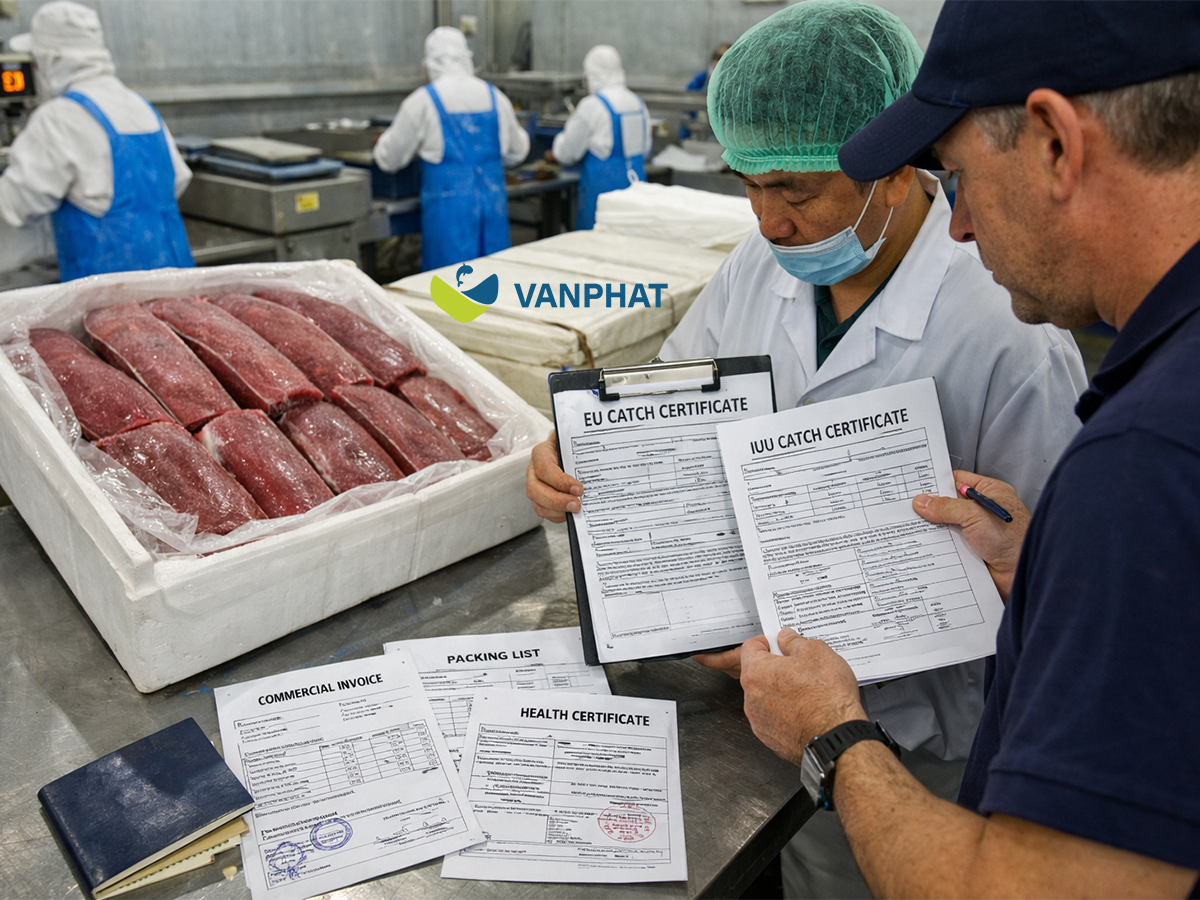
- Export readiness: document set checks (Health Certificate, COO/CO, invoice, packing list, bill of lading) and for wild-caught items, catch certificate support under the EU IUU framework.
- Incoterms clarity (FOB/CFR/CIF), payment structure alignment and claim prevention workflows.
Mini case: tuna loin and paperwork risk (2025 to early 2026)
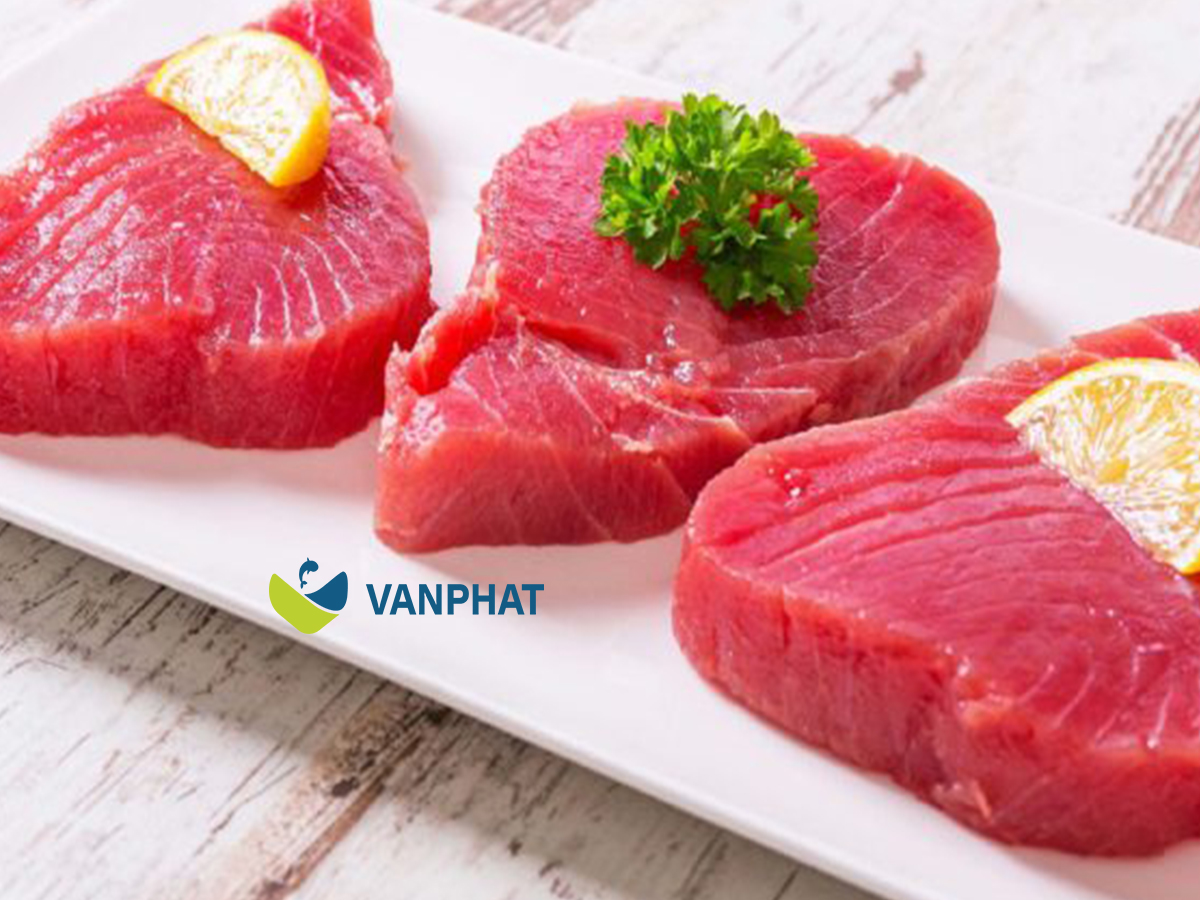
For tuna loin programs, the risk is often not the product – it is the paperwork. If catch documentation or labeling does not match importer requirements, clearance delays can wipe out margin. This is why many seafood importers use buyer-side partners to check documents and traceability evidence before sailing, especially when selling into the EU.
Comparing the Three Models at a Glance
Minimum order flexibility
Factories demand volume. Traders and sourcing partners offer flexibility through consolidation and multi-supplier coordination.
Quality control
Direct factory works best when the buyer runs strong QC. Traders vary by practice. Sourcing partners provide independent oversight.
Transparency
Highest with audited factories and buyer-side partners. Lowest when intermediaries control information and supplier selection.
Scalability
Factories suit focused product lines. Traders and sourcing partners support broader portfolios and growth transitions.
Best fit
Direct: stable FCL programs. Trader: mixed loads and speed. Sourcing partner: control and flexibility without building a local office.
The “Boring” Details That Decide Profit
Regardless of model, SMEs that win over time standardize a few non-negotiables. These are unglamorous, but they prevent expensive claims:
- Written specification sheets: glazing percent, net weight tolerance, count/size, additives declarations and labeling rules.
- Pre-shipment inspection and evidence pack: carton sampling, photos and recorded measurements.
- Cold chain discipline: stuffing temperature targets, data logger placement and seal control.
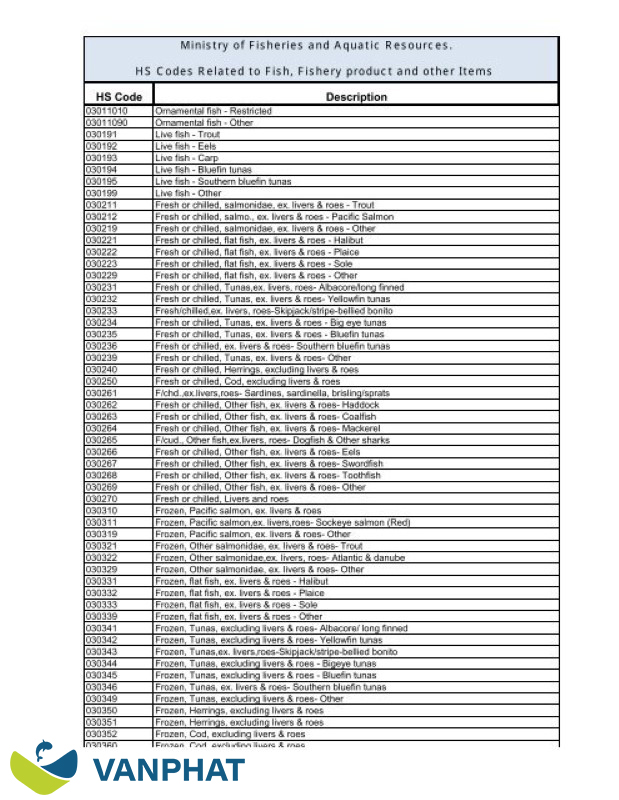
- Correct HS code mapping and document set consistency: invoice, packing list, COO/CO, Health Certificate and bill of lading.
- Clear Incoterms and responsibility split: FOB vs CFR/CIF, who pays what and when risk transfers.
Where Vietnam Is Especially Strong Right Now
Vietnam offers depth in staple categories and strong processing capability. For many buyers, a mixed basket is common:
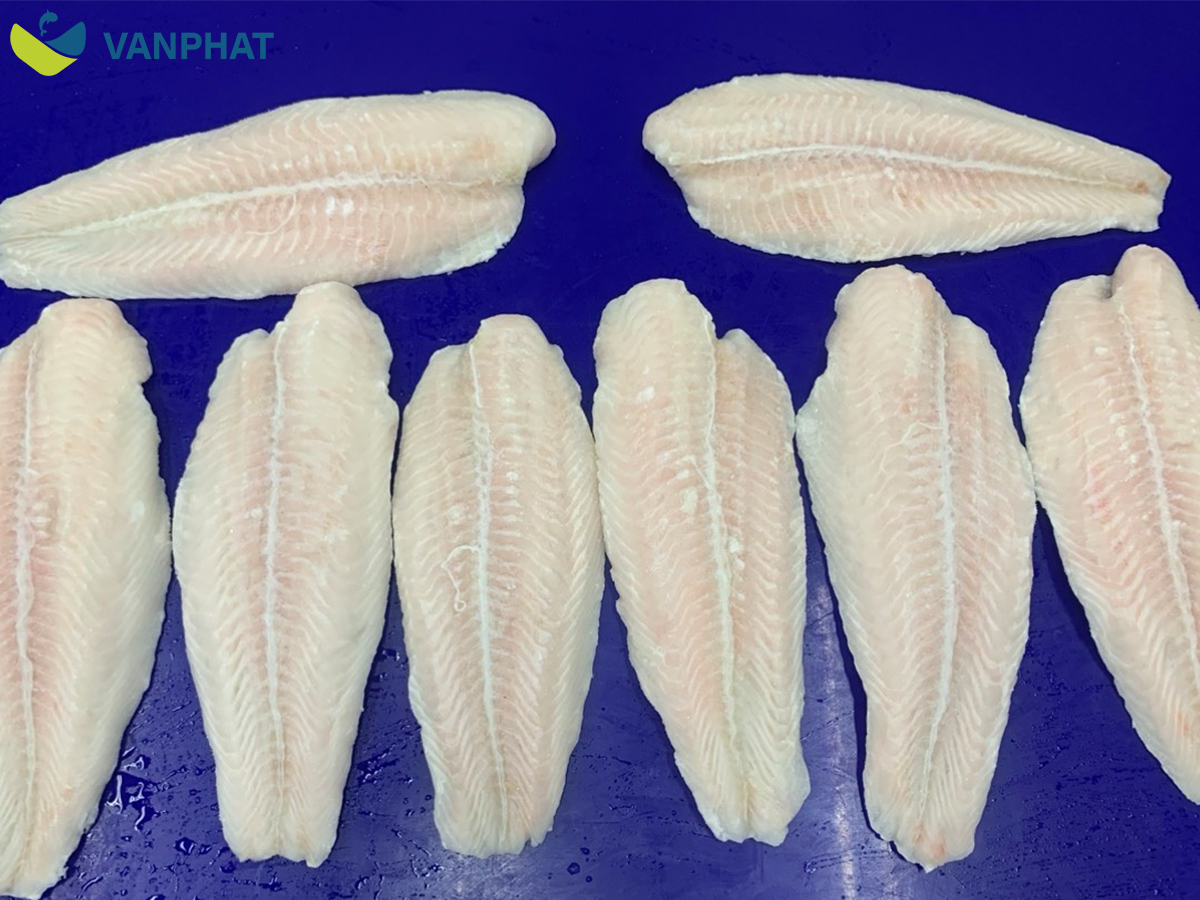
- Pangasius and pangasius fillet (high-volume whitefish programs)
- Vannamei shrimp and black tiger shrimp (IQF, block, value-added options)
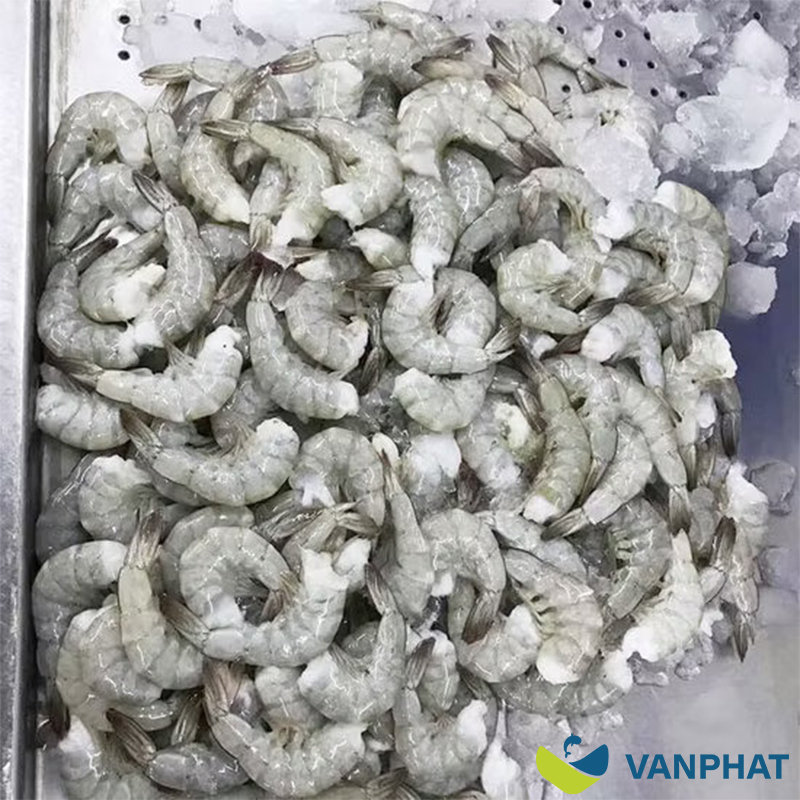
- Tuna loin (programs requiring tighter documentation control)
- Tilapia fish and mackerel (portfolio expansion and mixed-load offerings)
For buyers who operate as wholesale frozen seafood suppliers, the key advantage is flexibility: you can build a stable core (pangasius and shrimp) and rotate secondary items based on season and customer demand.
Conclusion: Build your procurement model like a supply chain, not a transaction
There is no single best Vietnam seafood sourcing model in the seafood trade. Direct factories deliver control and cost efficiency at scale, while traders and sourcing partners offer flexibility and speed. Buyer-side sourcing partners deliver transparency and independent QC – often the missing layer for SMEs.
If you want a practical next step, map your order pattern (FCL vs LCL shipment), number of SKUs, compliance level and QC capacity. The right Vietnam seafood sourcing model usually becomes obvious once those inputs are clear.
At VanPhat Imex, we support SME buyers across these scenarios – whether you need a reliable supplier route for core items, consolidation for mixed loads or a buyer-side sourcing workflow that protects quality and paperwork before shipment.


