

Scaling seafood imports is rarely about the first order. In seafood trading, the most dangerous moment usually appears during the second or third shipment, when early optimism starts to replace discipline and a “small test” quietly evolves into a full-risk commitment.
For SME buyers or anyone shaping a serious seafood business plan, sustainable growth rarely comes from chasing bigger containers. It comes from building a repeatable system that works under pressure. A system where trial orders are used to learn, evaluation is done honestly, scaling is controlled and supply becomes stable over time.
In this article, VanPhat Imex shares a practical, field-tested approach to help frozen seafood importers move from trial orders to regular shipments without losing control of cashflow, quality or reputation. The discussion is grounded in real trading experience across key products such as pangasius, pangasius steak, pangasius fish fillet, basa fish, basa fillet, tilapia fish, barramundi fish, mackerel, moonfish, tuna loin, tuna saku, vannamei shrimp and black tiger shrimp.
Key takeaways
- Scale only after you have repeatability: stable specs, QC gates, documentation SOPs, and a supplier scorecard.
- Expand in lanes: add products/markets gradually while standardizing labels, packaging, and record-keeping.
- Build lot-level traceability and document discipline early; compliance timelines may move, but buyer expectations usually don’t.
- Protect working capital by linking payments to inspection outcomes and by planning for port delays and cold storage costs.
- Use data to reduce risk over time (claims, yields, audit findings, temperature logs, on-time delivery).
These principles form the foundation of scaling seafood imports safely, especially for SMEs moving from trial orders to regular supply.
Why Trial Orders Are the Safest Entry Point for Seafood Importers
A trial order is not a “small favor”. It’s not a discount request. It’s a controlled test that answers one question: “Can this supplier deliver the same result twice?”
For SMEs, trial orders protect three things:
- Cashflow: you test without locking working capital into slow inventory.
- Market fit: you see what actually sells (not what looks good on paper).
- Operational reality: you learn how packaging, labeling, documentation and logistics behave in real life.
Trial orders are therefore not about saving money, but about building confidence before scaling seafood imports further.
Why lcl shipment makes trial orders realistic
If you’re not ready for a full container, an lcl shipment lets you move smaller volume by sharing container space. It’s not perfect (more handling, sometimes longer transit, sometimes higher risk of temperature exposure during consolidation), but for trials it’s often the smartest entry , especially for new seafood importers testing a first supplier relationship.

Pick Your First “Test Products” Like a Trader, Not a Tourist
A common mistake among new buyers is testing products based on personal preference instead of market repeatability. What matters in a trial order is not whether you like the product, but whether your sales channels can move it consistently.
Below is a practical way to select trial products for SME buyers supplying foodservice, wholesale and retail customers.
Category A: Fast-moving products that reveal supplier performance quickly
These items tend to expose a supplier’s true capabilities within the first shipment:
- Pangasius (including pangasius steak and pangasius fish fillet)

- Basa fish and basa fillet

- Tilapia fish
- Mackerel
- Vannamei shrimp
- Black tiger shrimp

These are strong trial SKUs because:
- Standards are easier to define and verify
- Demand exists across multiple channels
- Quality issues become visible quickly, especially glaze control, trimming consistency, texture and odor
If you want one simple “starter basket” for wholesale: pangasius fillet and vannamei shrimp will usually tell you more about a supplier than five niche items combined.
Category B: Portfolio builders once your foundation is stable
These products can be excellent margin-builders, but they demand tighter operational control:
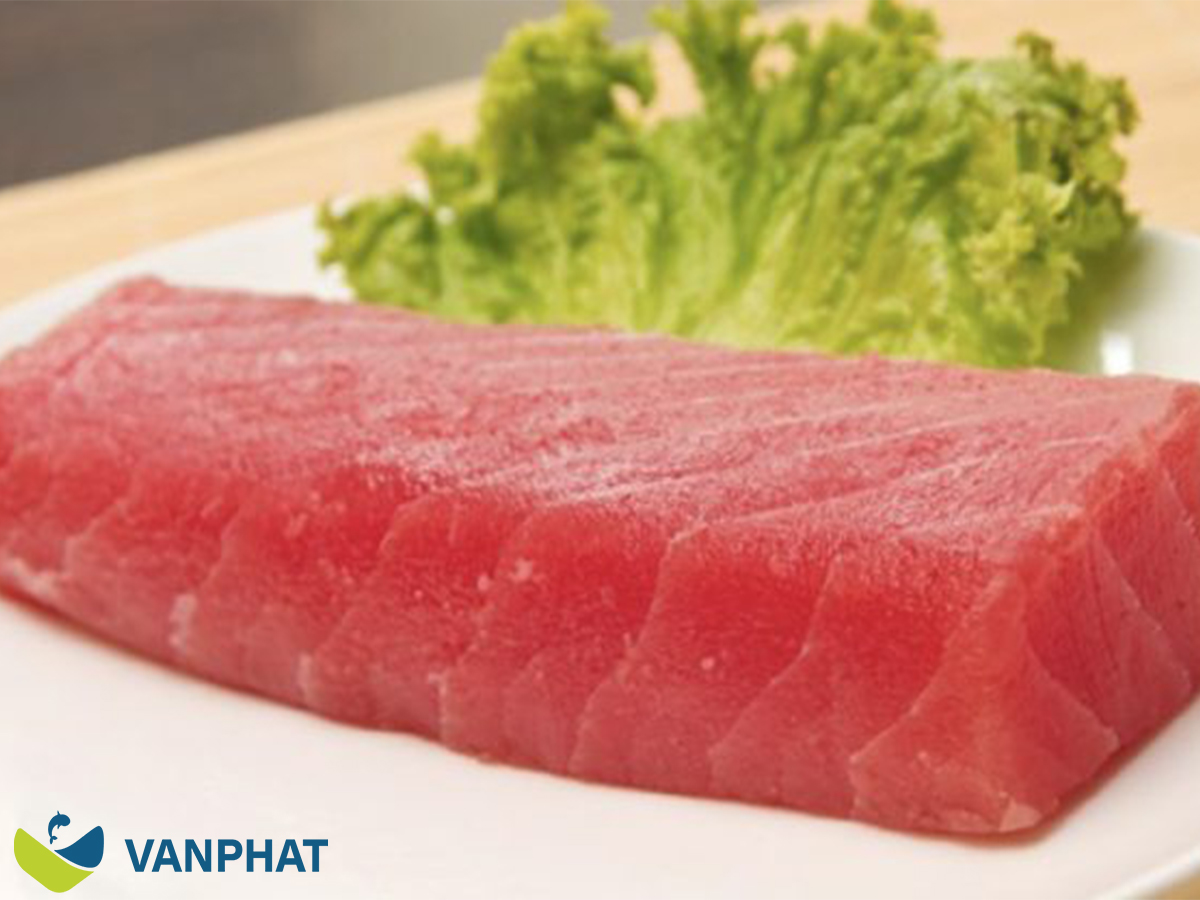
- Tuna loin
- Tuna saku
- Barramundi fish
- Moonfish
They work best once your QC process, cold-chain handling and documentation rhythm are already consistent. Otherwise, you’re testing “premium” while still operating like a beginner which is an expensive way to learn.
The Spec Sheet Is the Real Contract
Many buyers think they ordered “basa fillet”. Then the shipment arrives…and it’s technically basa fillet, but not the one they imagined – wrong trim, wrong glaze, wrong size, wrong expectation.
That happens when specs are implied, not locked.
A trial order should force clarity. Your seafood supplier should confirm details in writing before production starts.
Trial order spec checklist
Product identity
- Species / scientific name (where relevant)
- Cut: fillet / steak / loin / saku
- Frozen type: IQF / block

Quality & processing
- Size range / piece count
- Trim standard
- Glaze % target and tolerance
- Moisture / additives (if any)
- Defect tolerances (broken pieces, bloodline, dehydration)
Packaging
- Inner pack size
- Master carton weight
- Carton markings and language requirements
- Pallet pattern and loading plan (if needed)
Documentation
- Commercial invoice, packing list, bill of lading
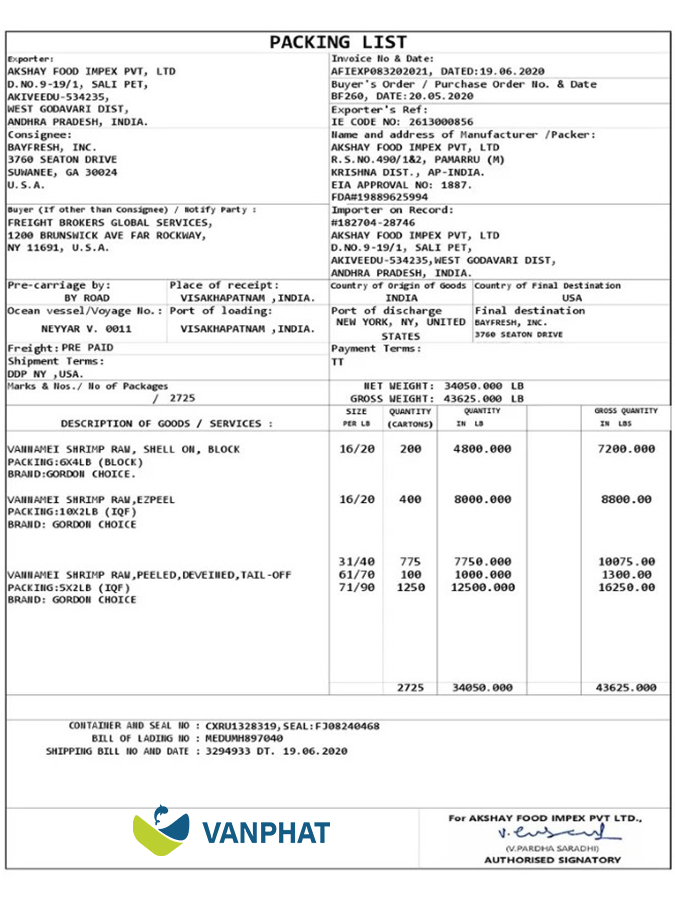
- Health certificate (and any market-specific documents your broker requires)

Commercial terms
- Incoterms (FOB/CIF/etc.)
- Payment milestone schedule
- Claim window and evidence process
A practical example: for pangasius fish fillet, many buyers run a glaze target like 10% (±2%), and specify trim (well-trimmed / semi-trimmed), size range (e.g., 170 – 220g) and packaging format (1kg x 10 / 10kg bulk). The numbers matter because “normal” is not universal.
If a supplier resists detail, that’s not flexibility. That’s future arguments.
Quality Control That Survives Beyond the First Order
EGood QC doesn’t happen at one moment. It survives only when checks are built into the flow from pre-production to the final container seal.
A practical QC routine for trial orders usually includes three checkpoints:
Pre-production confirmation
This stage takes place before raw materials are locked and processing begins. Its purpose is to eliminate misunderstanding while changes are still easy to make.
Key points to confirm:
- Product specifications and labeling details
- Production date range and processing schedule
- Visual confirmation of packaging artwork or carton markings
This is where you prevent “small misunderstandings” that later become full container disputes.
In-process checks
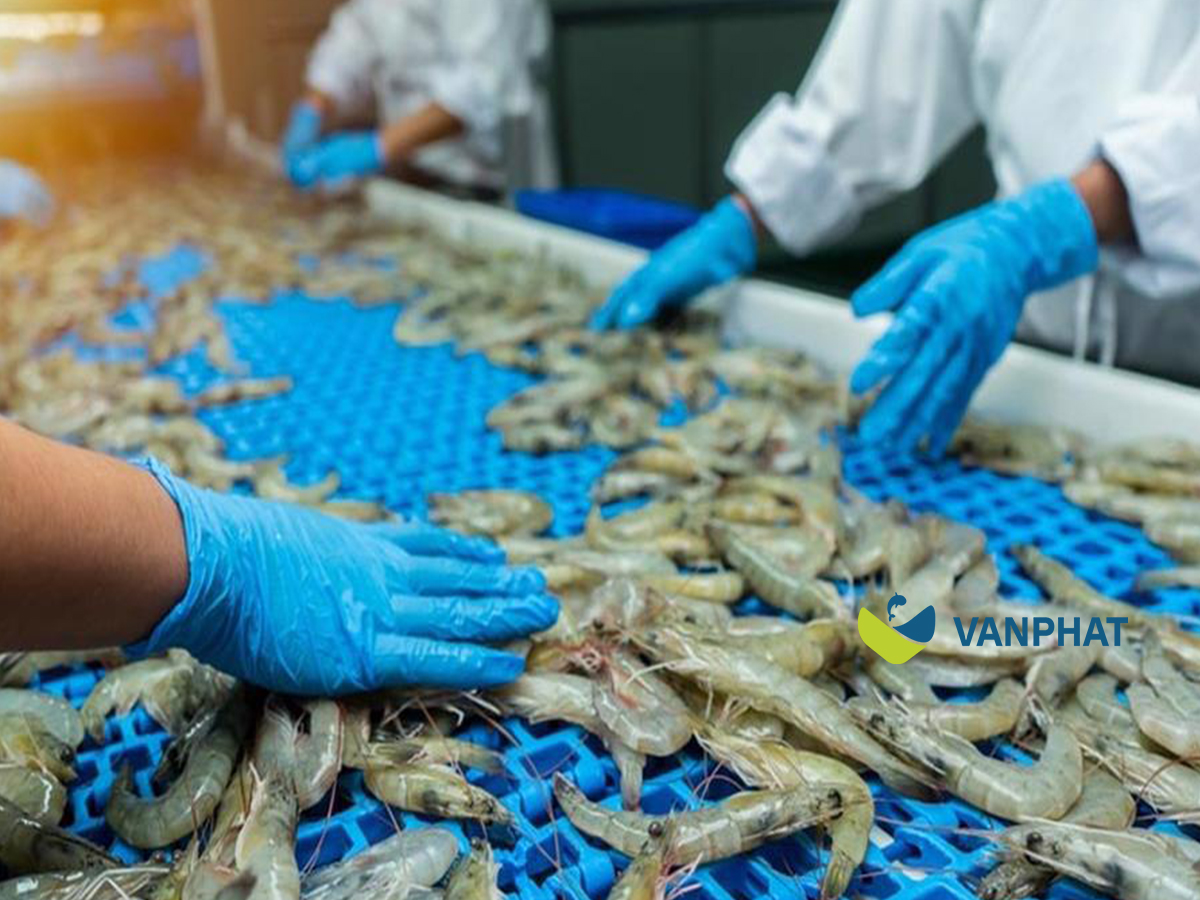
Once production begins, spot checks verify the standards are actually being followed:
Focus areas include:
- Glaze level and size grading
- Trimming quality and overall appearance
- Short video or photo evidence when on-site inspection is not possible
This is where you catch problems early while you can still fix them.
Pre-shipment verification
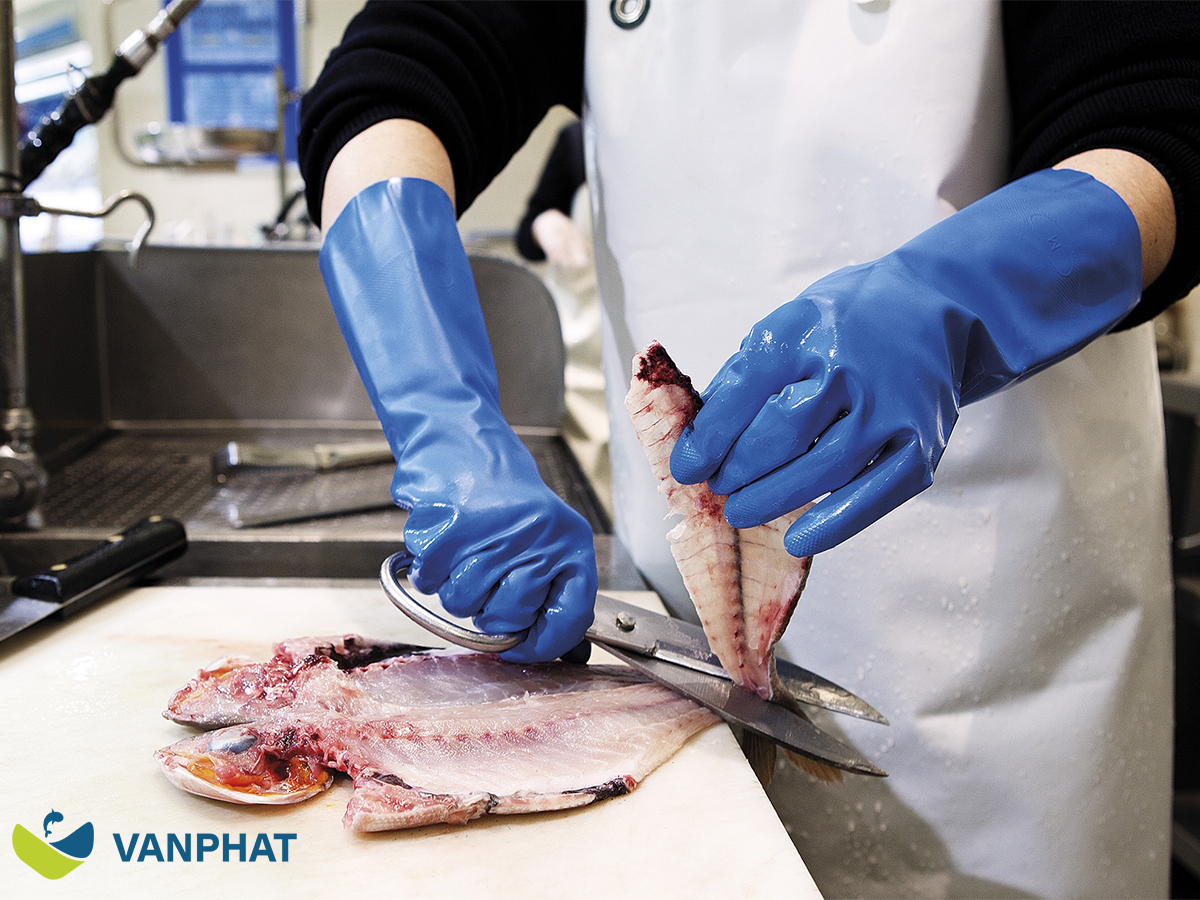
Before the container is sealed, final verification ensures that what is being shipped matches what was agreed.
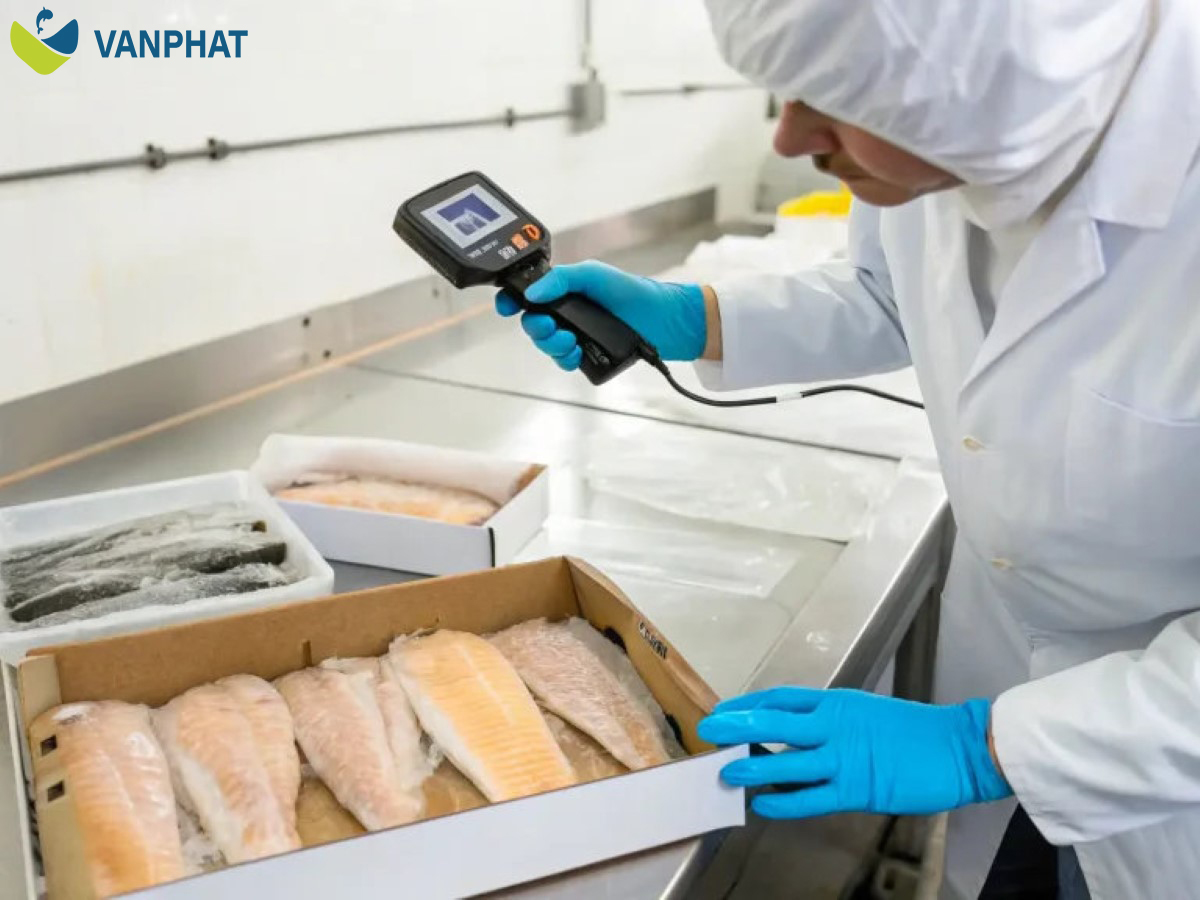
This step typically covers:
- Carton count, carton weights and pallet configuration (if used)
- Product photos and available temperature records
- Cross-checking documents for consistency between invoice, packing list and labels
A “paper-perfect” shipment with one wrong label can still become a customs delay. So treat document checks as a QC step, not admin.
An extra step for trial orders: the kitchen test
For buyers supplying wholesale seafood for restaurants, paperwork and visual checks are not enough. Product performance after cooking matters just as much.
A simple kitchen test should include:
- Cooking evaluation for texture, drip loss, odor and bite
- Portion control checks to confirm size consistency
- Test performance in a real menu setting, not just a tasting
This prevents a classic mistake: scaling a product that looks fine frozen but fails once it hits the plate.
How to Evaluate a Supplier After a Trial Order
Many SME buyers rely on instinct once a trial shipment arrives. If nothing goes seriously wrong, they assume the supplier is good enough and move straight into scaling. As seafood import volumes grow, many buyers revisit their Vietnam seafood sourcing model to ensure QC, documentation and logistics remain aligned. This is how the same mistakes repeat, only at a higher cost.
Use a scorecard. Keep it simple. Make it repeatable.
Below is a practical scorecard that can be used as a decision gate after any trial order. Each area can be rated on a scale from 1 to 5.
Product performance
- Alignment with specs (size, glaze, trimming)
- Consistency across cartons within the same shipment
- Sensory performance after cooking
Compliance and documentation
- Certificates and regulatory approvals provided clearly and on time
- Labeling accuracy for your destination market
- Traceability information available when requested
Delivery discipline
- Accuracy of confirmed lead times
- Readiness of goods at the agreed shipping window
- Quality of updates when delays or changes occur
Commercial integrity
- Transparent pricing (no hidden costs)
- Stability of pricing across the trial process
- A clear and workable claim-handling procedure
Communication and after-sales support
- Speed and clarity of responses
- Willingness to take responsibility when issues arise
- Practical problem-solving focused on solutions rather than explanations
Long-term partners aren’t defined by perfect shipments. They’re defined by how consistently they respond when something goes wrong.
Red Flags That Should Stop Scaling Immediately
Some issues look small in a trial order. They don’t disappear at volume, they multiply.
If you see these early, pause scaling and reassess:
- Product specifications stay vague or generic
- Supplier pushes big MOQs before agreeing to a controlled trial
- Questions about certificates, labeling, or documents get avoided
- Pricing changes without a clear reason
- Responses slow down when timing becomes critical
- No defined process for claims (evidence, timeline and resolution)
Catching these signs early protects more than one shipment. An experienced seafood trading company helps buyers identify these risks before repeat orders are placed, when adjustments are still possible and costs are still manageable.

Diversify on Purpose: Build a Portfolio That Survives Market Swings
Scaling is not only more volume. It’s also smarter product coverage.
A strong seafood portfolio protects you from:
- Seasonal spikes
- Supply disruptions
- Price volatility
- Demand shifts across customers
Practical diversification map
When you serve multiple channels such as wholesale, restaurants and retail, diversification should follow a clear progression rather than happen all at once. A phased approach allows you to manage risk while expanding your product range in a controlled way.
Phase 1: Core products you can repeat reliably
These items form the backbone of stable volume and predictable demand:
- Pangasius, with pangasius Vietnam origin commonly requested in many markets
- Basa fish and basa fillet
- Tilapia fish
- Mackerel
- Vannamei shrimp and black tiger shrimp
Phase 2: Products that improve margins and presentation
Once core supply is stable, these options help differentiate your offer:
- Pangasius steak designed for portion control
- Value-added formats such as marinated, breaded or portion-packed products
Phase 3: Premium and niche items
These products work best when operations and cold-chain control are already proven:
- Tuna loin and tuna saku
- Barramundi fish
- Moonfish
This step-by-step approach is how experienced wholesale frozen seafood suppliers maintain stability. Instead of relying on a single species, they build a balanced portfolio that can absorb market shifts without disrupting the business.
Scaling Seafood Imports Without Chaos: A Three-Stage Growth Framework
Scaling seafood imports without chaos requires structure, discipline and clearly defined growth stages, not an early push toward larger container sizes.
Most SMEs don’t fail because demand is slow. They fail because demand grows faster than operations can handle – QC, inventory and cashflow all get stressed at once.
A more sustainable way to scale is to follow a structured progression. Each stage has a clear purpose and prepares the business for the next step, allowing volume to increase without overwhelming the supply chain.

Stage 1: Repeat the trial to build consistency
The first stage is about proving that a product can perform the same way more than once. The objective is not growth, but reliability.
Key actions at this stage include:
- Repeat the same SKU across 2-3 consecutive shipment cycles
- Keep specs unchanged during the trial period
- Track defect rates and buyer feedback
- Adjust packaging/labeling using real market response
This stage helps confirm that the initial trial result was not a coincidence.
Stage 2: Increase shipping frequency to establish supply rhythm
Once consistency is proven, the next focus is creating a stable supply pattern. Volume can remain modest while shipment timing becomes more predictable.
At this stage, importers should focus on:
- Shipping smaller quantities on a more regular schedule
- Improving demand forecasting using actual sales data
- Reducing stockouts without creating excess inventory
This approach allows supply to match demand more closely and keeps operational pressure under control.
Stage 3: Expand shipment size when operations are ready
Larger loads should only be introduced after the system supporting them is already stable. The goal at this stage is efficiency without sacrificing reliability.
Before increasing shipment size, it is important to confirm:
- Available cold storage capacity
- Inventory turnover speed
- Distribution and delivery capability
- Cash return speed after sales
When scaling is done correctly, it feels predictable and uneventful. That sense of calm is a sign that growth is being managed rather than rushed.
The Part Most Competitors Don’t Talk About: Cashflow Engineering
Most articles talk about QC and shipping. Few talk about cash mechanics where seafood businesses actually bleed.
When you scale seafood imports, the real risk is often:
- Slow-moving inventory
- Payment terms that strain cashflow
- Claims that take too long to settle
Simple cashflow rules for SME importers
- Don’t scale volume faster than your sell-through
- Don’t add SKUs faster than your warehouse can rotate them
- Don’t accept payment terms that force you to finance the supplier’s risk
A smarter way to structure payment milestones
Instead of paying based on trust, tie milestones to control:
- Deposit after specs are confirmed
- Next milestone after in-process QC evidence
- Final milestone after pre-shipment verification and documents are ready
That’s how scaling stays safe, especially when you’re building relationships with a new seafood supplier.
Growing-Phase Risks and How to Stay Ahead
As volume grows, risks change. You’re no longer worried only about “quality”. You’re managing a moving system.
Common scaling risks
- Cold chain breaks (temperature abuse during handling)
- Documentation errors that delay clearance
- Inconsistent supply when raw material tightens
- Price volatility impacting your margins
- Overbuying inventory and freezing cashflow
What strong importers do differently
- Keep 2-3 qualified sources per key SKU
- Maintain safety stock rules
- Use temperature monitoring when appropriate
- Build a claim protocol before the first problem happens
- Review supplier scorecards quarterly
Policy/traceability note – What importers need to prepare for 2025-2026
From 2025 onward, traceability and documentation are no longer just a compliance issue. They are quickly becoming a competitive factor that separates well-prepared importers from those constantly reacting at the last minute.
In the European Union, importers will be required to submit catch certificates through the CATCH IT system for fishery products entering the EU from January 9, 2026, as part of the EU’s updated official control and IUU enforcement framework under Regulation (EU) 1224/2009 as amended. This requirement is particularly critical for wild-caught products, where incomplete or inconsistent catch documentation can trigger customs delays, shipment holds or outright rejection at the border.
In the United States, the FDA’s Food Traceability Rule (FSMA Section 204) originally set a compliance date of January 20, 2026. While the FDA has proposed extending enforcement by 30 months to July 20, 2028, and U.S. legislation has directed the agency not to enforce the rule before that date, the underlying expectations around lot-level traceability and record integrity remain unchanged. For SME importers, the extension provides time to build systems, not an excuse to delay preparation.
Why a Sourcing Partner Matters Once You Start Growing
Early on, you can manage one supplier with email and spreadsheets.
As you scale, complexity grows faster than volume:
- More SKUs
- More factories
- More documents
- More shipping decisions
- More risk points
This is where a partner approach beats a vendor approach.
What VanPhat Imex actually does in the growth phase
We don’t just quote and ship. We help you build a stable import system:
- Coordinate multiple producers across pangasius, basa, tilapia fish, shrimp, tuna and marine fish
- Keep specifications consistent across different sources
- Align QC checkpoints with shipment timelines
- Consolidate mixed products when it reduces risk and cost
- Negotiate commercial terms that match your cashflow reality
- Share market feedback so you don’t scale the wrong SKU
In other words: we operate like the “operations desk” behind your buying team, so your growth doesn’t collapse under admin and surprises.
A Quick “Trial-to-Regular” Checklist
Before scaling any SKU such as pangasius, tuna loin or vannamei shrimp, make sure:
- Product specifications are clearly written and repeatable
- Trial scorecard results are strong across multiple shipments, not just once
- The claims process is defined and tested in practice
- Inventory turnover can support larger and more frequent volume
- Demand from your channels is proven, especially in wholesale supply routes
- A backup plan exists (alternative supplier or alternative product)
If these boxes cannot be checked with confidence, scaling becomes a gamble rather than a decision.
Closing: Growth Is a System, Not a Container Size
For SME seafood importers, the real objective is not importing more volume. It is imported in a way that is safe, repeatable and profitable over time.
Sustainable growth starts with disciplined trial orders. Specifications are fixed early. Quality control becomes a routine rather than a reaction. Supplier performance is reviewed objectively. Product portfolios are diversified with purpose and scaling happens in phases that the operation can realistically support. Cashflow is planned with the same care as logistics, not treated as an afterthought.
For companies that want to grow without paying unnecessary tuition through avoidable mistakes, the right partner makes a meaningful difference. VanPhat Imex operates as a practical, on-the-ground seafood trading company, supporting buyers as they move from trial orders to stable supply lines across wholesale frozen seafood suppliers, foodservice channels and retail-driven programs.


